We want to talk about mushrooms…
Beneath our feet and out of sight, one of nature’s most vital and fascinating realms exists: the kingdom of fungi. Understated and often overlooked, they are the underground workhorses of our gardens, quietly binding ecosystems together and recycling our waste into fine nutrients that sustain all life above.
We often discuss the bees, birds, and worms when talking about biodiversity, yet one of the most essential forces in biodiversity in every garden remains largely unseen. You may be familiar with mycelium - the fine, white, root-like structure of fungi - which forms underground networks, weaving through our soil, debris, and roots. And in doing so, it’s connecting and supporting all our plant life above.
Prior to the 1960s, fungi were loosely categorised alongside plants - unknown, understudied and mostly misunderstood. But new evidence revealed that, unlike plants, they don’t photosynthesise! Instead, they digest organic matter around them to obtain the nutrients they need. They also breathe oxygen, exhale carbon dioxide and even convert sunlight into vitamin D - much more like animals. Yet they do all this without a heart, nervous system or brain. These remarkable traits earned fungi their own kingdom, which they now share with other extraordinary life forms, such as yeasts, moulds and lichens.
Mycelium has an extraordinary ability to travel further and deeper than any plant root system. It seeks out fine nutrients and hard-to-reach water, bringing them back to the plants above. In exchange, the plants share glucose that they produce through photosynthesis.
For gardeners, understanding this hidden collaboration means understanding the foundation of soil life itself - a thriving mycelial network improves water retention, nutrient availability and even helps with disease resistance. Yet despite this essential role, fungi are rarely celebrated or included in garden design, features or routines.
As RHS mushroom exhibitors and gold medal winners, we at Caley Brothers have a unique opportunity to reshape perceptions. Mushrooms are the fruiting bodies of mycelium and are not just for the wild forager - they belong in our gardens, in our compost, and even on our dinner plates. Including fungi in our gardens doesn’t just introduce biodiversity; it opens a world of ecological and visual richness. So why should we include mushrooms in our growing spaces?
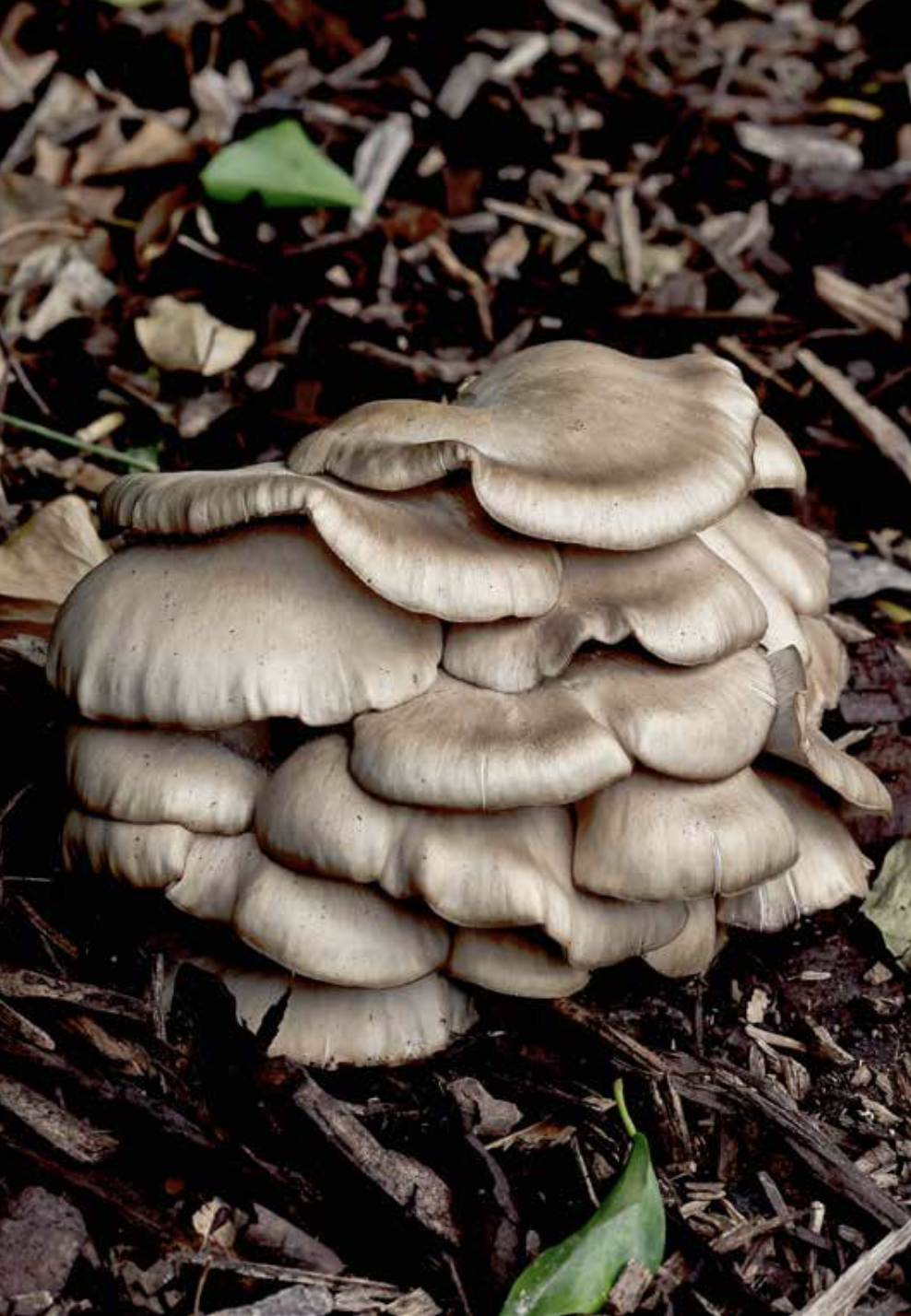
Autumn is often dominated by the appearance of mushrooms - and this year has been a spectacular season for fungi. When you spot mushrooms popping in woodlands, on lawns, up through leaf litter and even on your compost pile, this is great evidence of a healthy, functioning ecosystem. Every mushroom you see is proof that the environment around you is alive and thriving and doing exactly what nature intended.
Having worked within the Kitchen Garden at Kew Gardens for the past few years, we’ve helped incorporate mushrooms into their food forest projects - self-sustaining, resilient and diverse ecosystems that provide food and habitat with minimal input. By introducing mushrooms, we add another level of productivity and biodiversity to our growing space - breaking down garden debris and organic matter to create rich, aerated soil while forming vital partnerships with plants.
Mushroom cultivation is incredibly accessible and versatile. No long-term commitments, specialist equipment or vast space required. From coffee grounds and sawdust to cardboard boxes and hardwood logs, mushrooms can be grown in almost all organic materials and in any environment - balconies included.
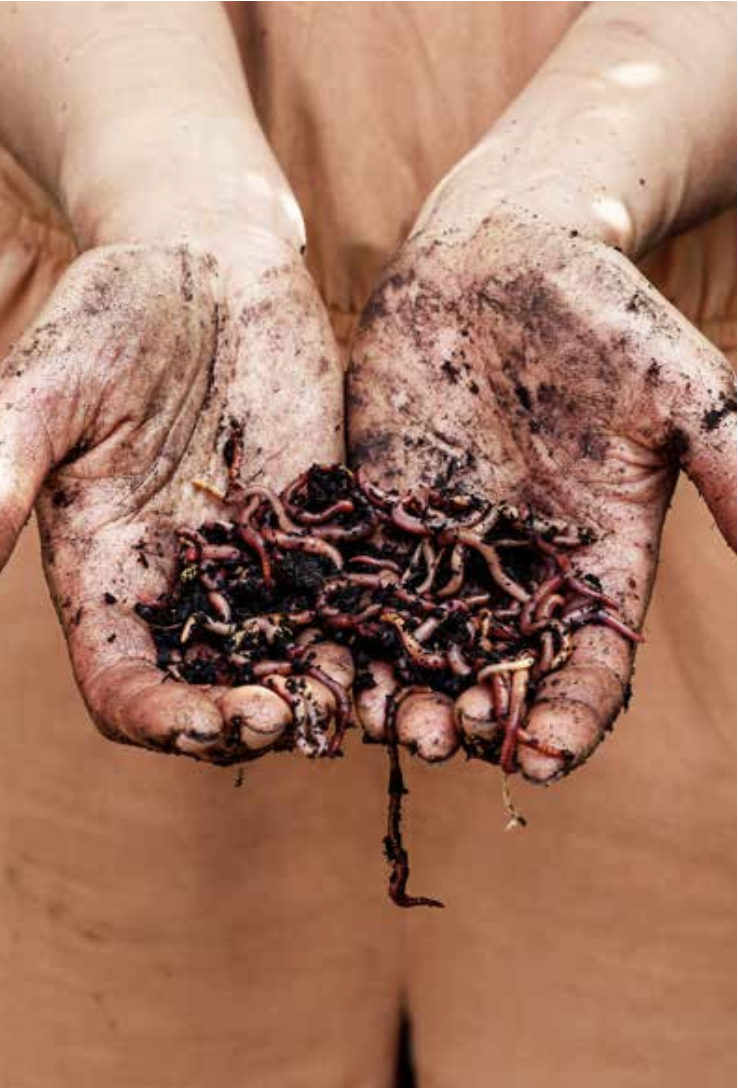
Fungi support a multitude of species - beetles, worms, slugs, and even mammals rely on mushrooms as food or habitat. By cultivating fungi in your growing space, you provide nourishment and shelter for these creatures, strengthening their role in sustaining the living web. A thriving mushroom presence signals a healthier, more dynamic ecosystem, teeming with both visible and invisible life.
A healthy mycelium network can help break down organic matter and support microfauna that keep soil alive. Introducing mycelium to your empty veg beds will increase the condition of your soil and prepare your growing spaces for the next season. With the added satisfaction of harvesting edible mushrooms from September and, in mild years, even into early spring - extending your harvest repertoire while enriching the soil at the same time.
As educators, enablers and passionate about including more mushrooms within our environments, we know mushrooms can be integrated into gardens in many imaginative ways. They’re not only functional but can also be decorative, structural, educational and sustainable.
We’ve compiled many of our ideas into projects that can be found in our book ‘Project Mushroom’. We cover basic growing techniques and offer guidance to help you explore and gain confidence with the mushrooms in your own gardens or growing spaces.
To help you along the way, we’ve listed a few of our quick fixes and easy wins if you’re keen for ideas on how to get started. Any project can be started at any time of the year…
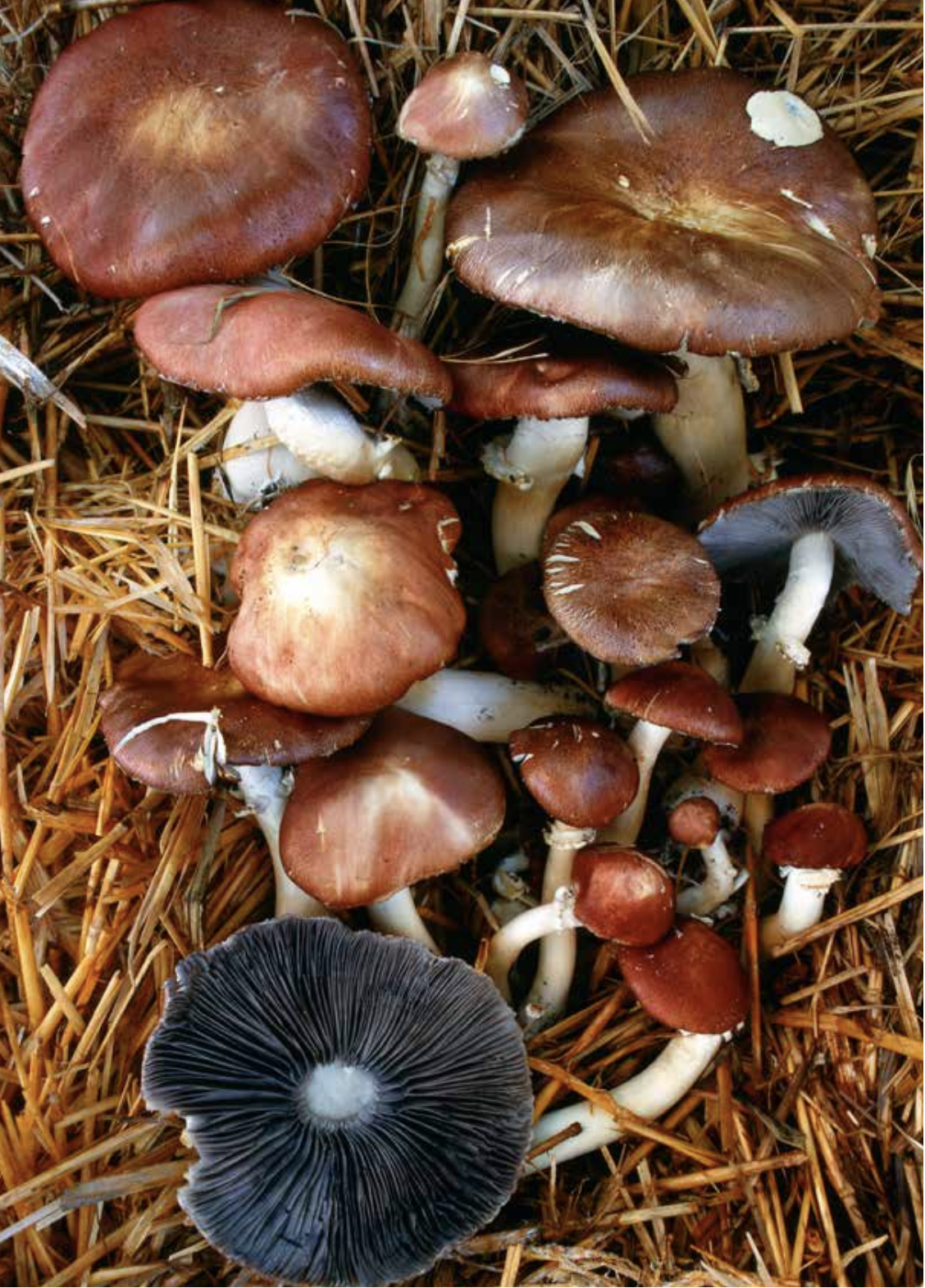
Beds and borders: Introducing ground-loving species such as King Stropharia, Grey Oyster and Morels allows you to grow a variety of mushrooms under your perennials or in mulchy layers on top of your empty veg beds - boosting soil health while producing edible crops throughout the year. Once established, they integrate seamlessly into your existing planting and enrich the space without demand or extra care.
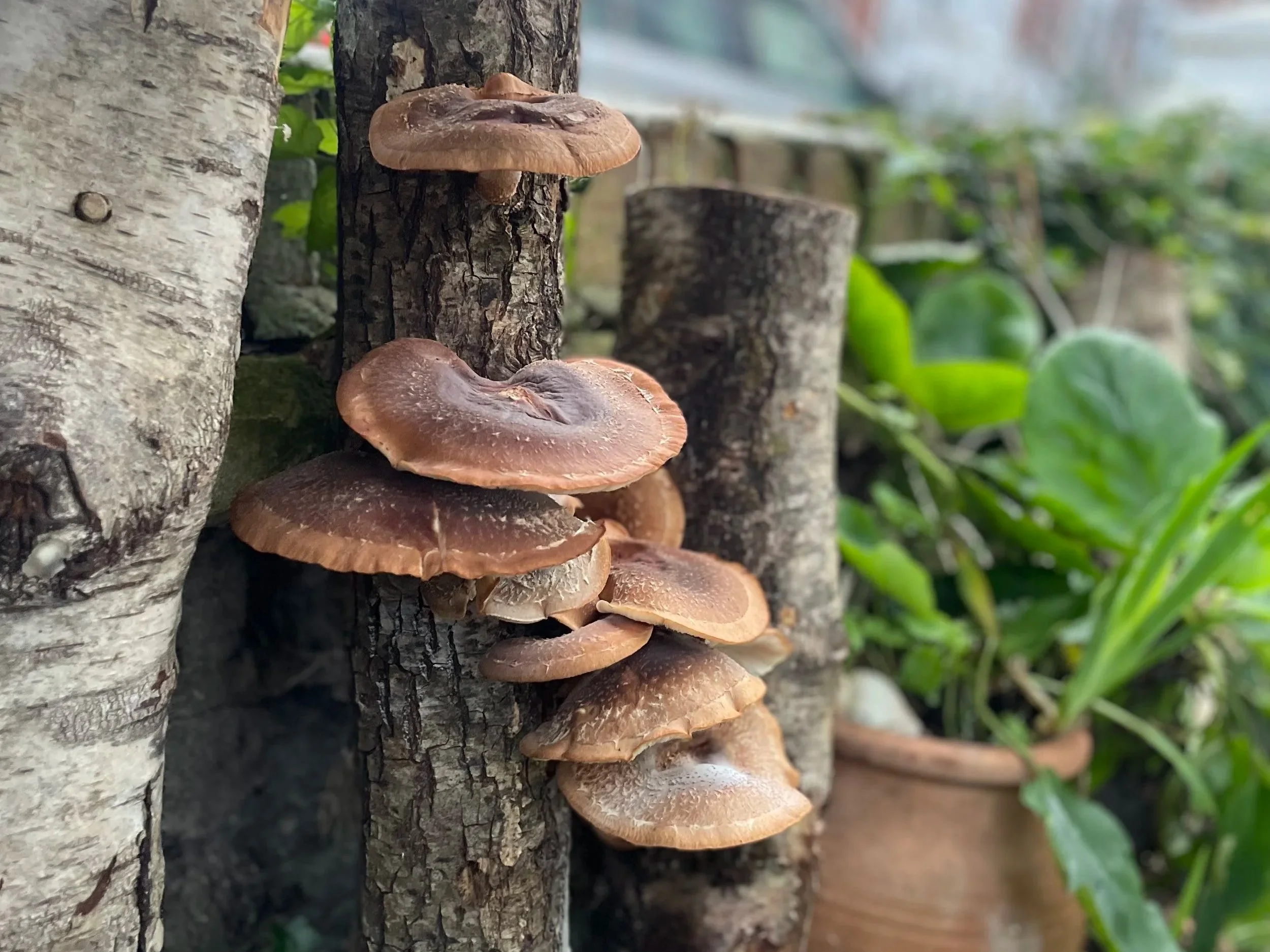
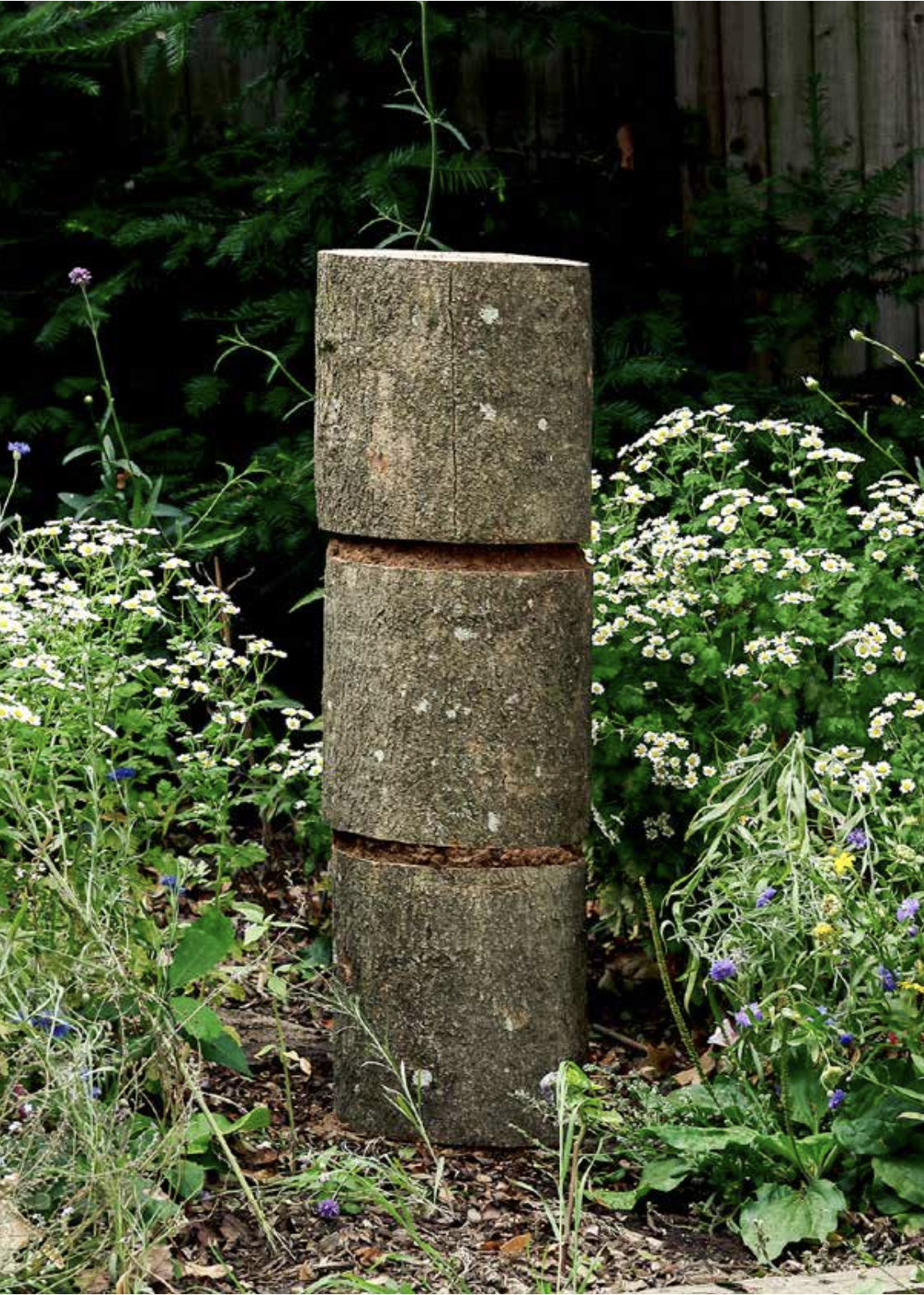
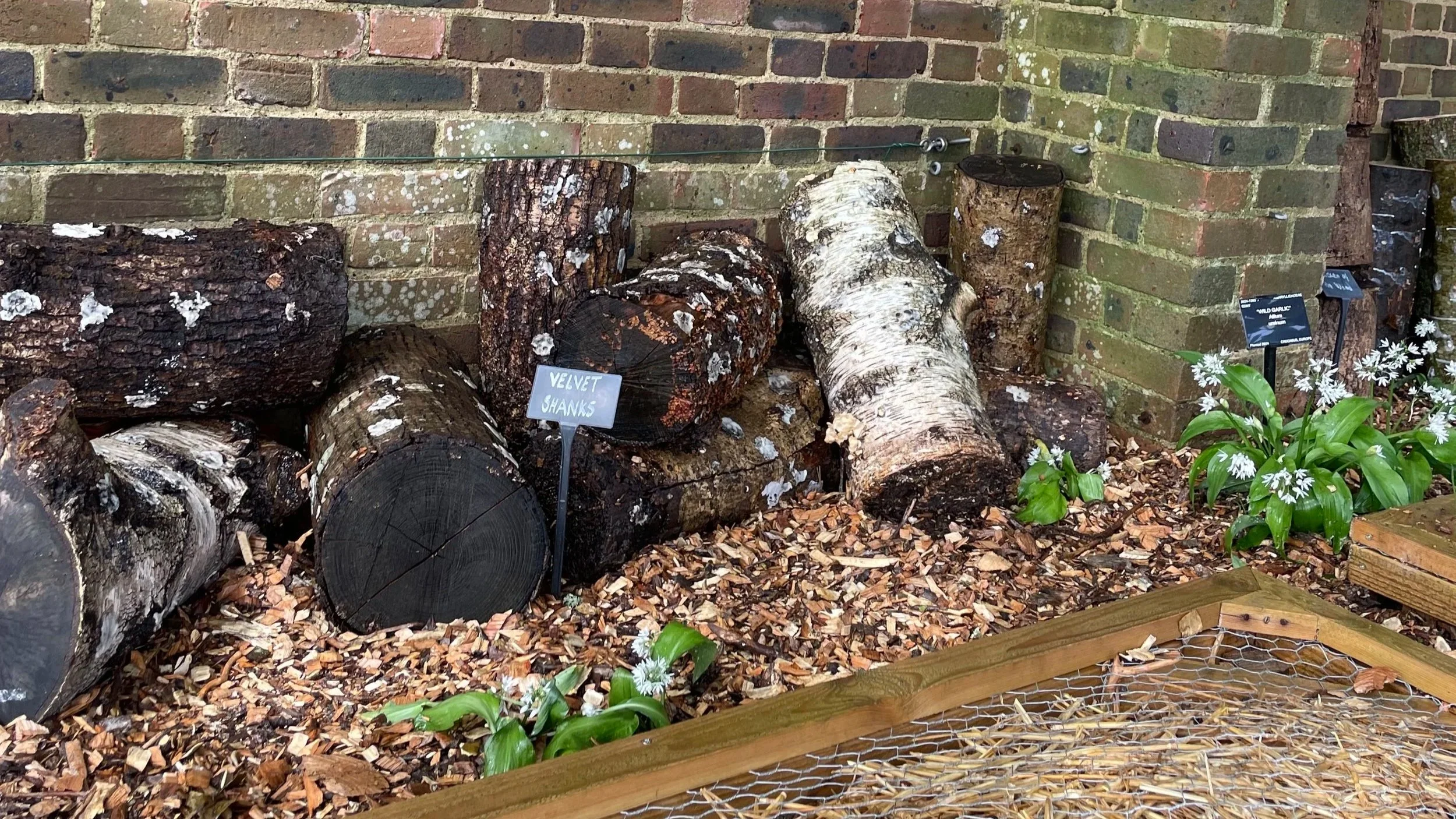
On logs and mushroomising your stumpary: Shiitake, Lion’s Mane and a variety of oyster mushrooms thrive on hardwood logs, turning pruned branches or freshly felled trees into productive and statuesque microhabitats. Growing on logs is one of the most eco-friendly ways to achieve a steady year-round harvest of mushrooms. With an average life span of 3-5 years, familiarity with this method gives you confidence in what you’re growing, and any log-growing mushroom will generally be denser and more flavourful than any shop-bought mushroom.
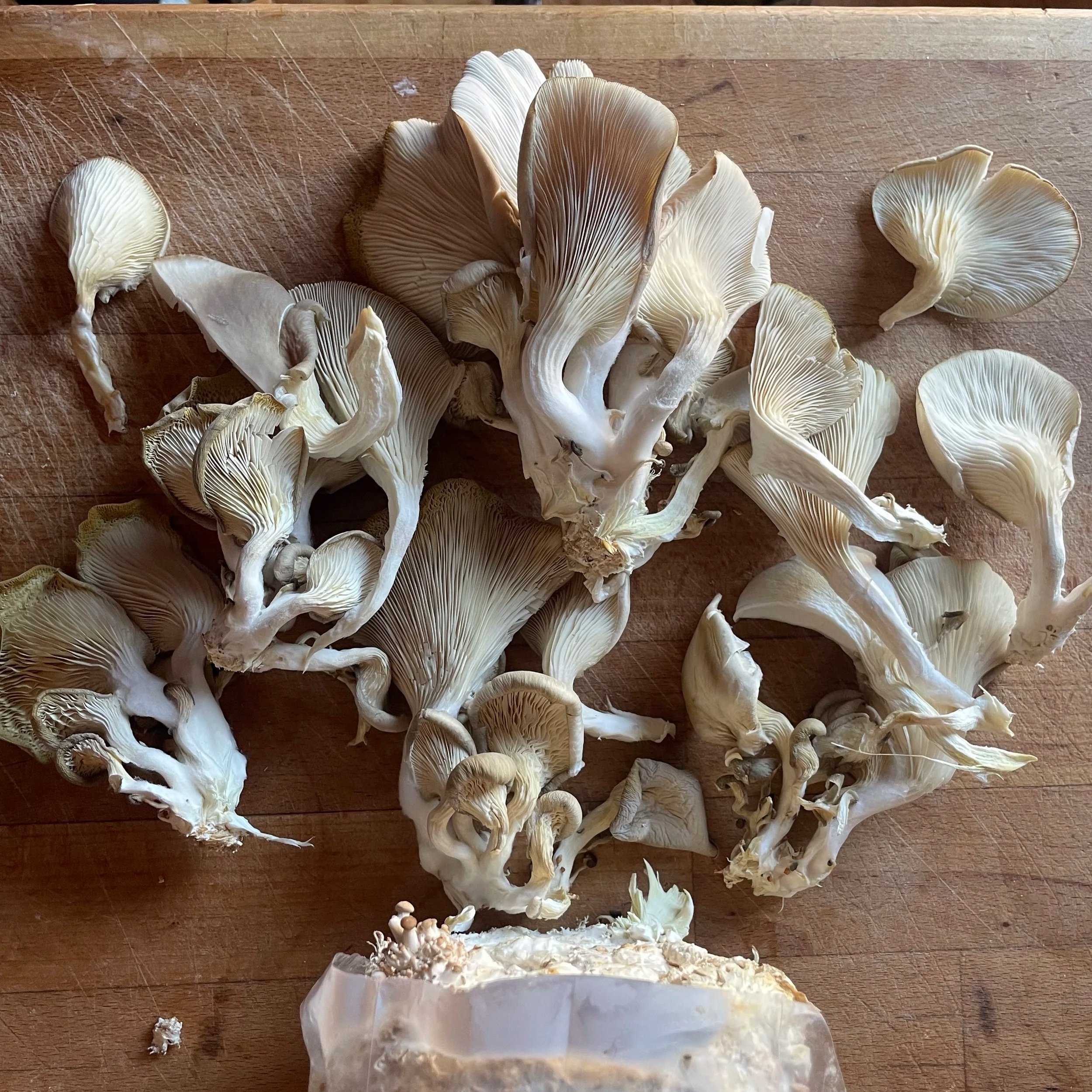
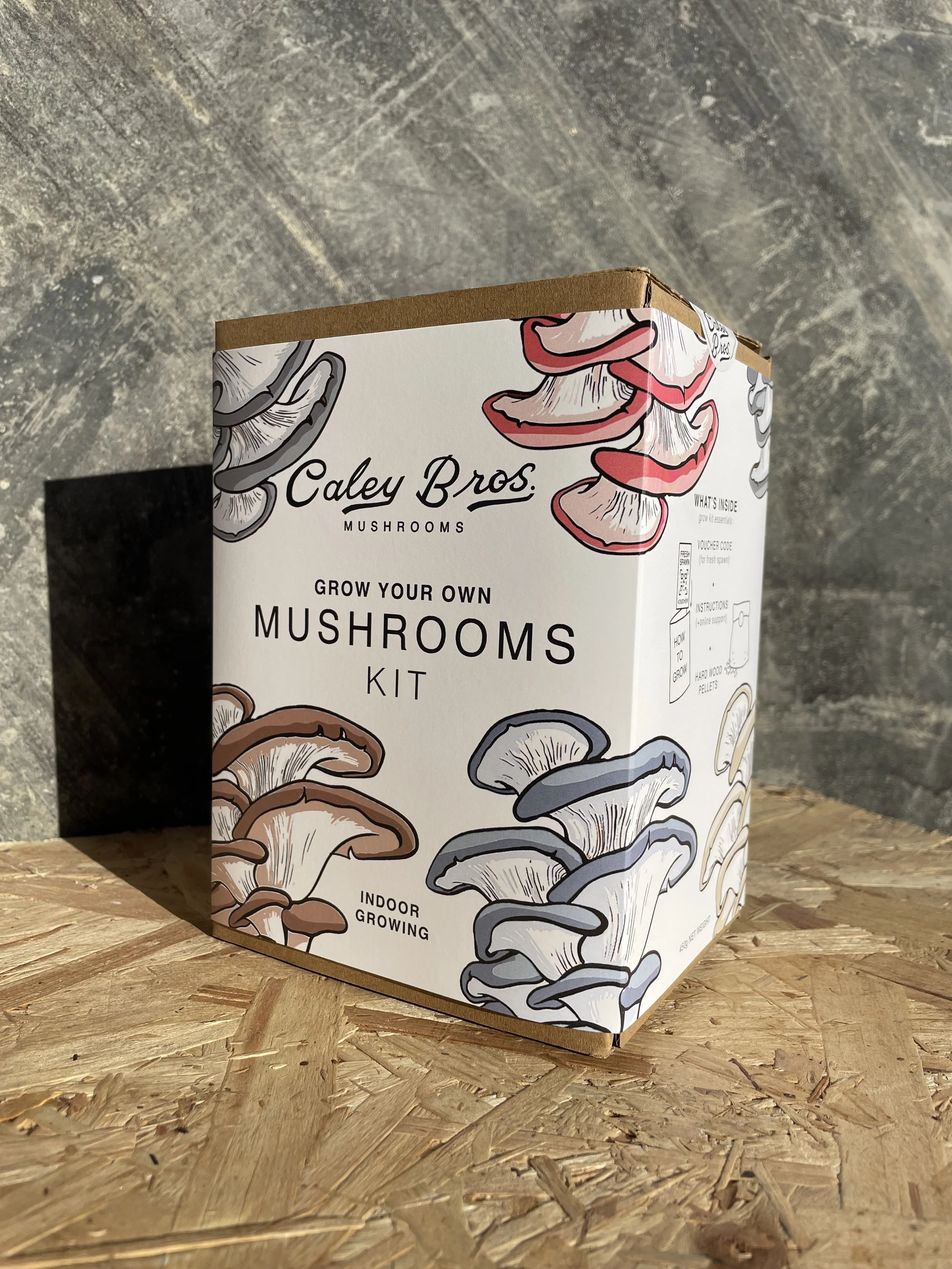
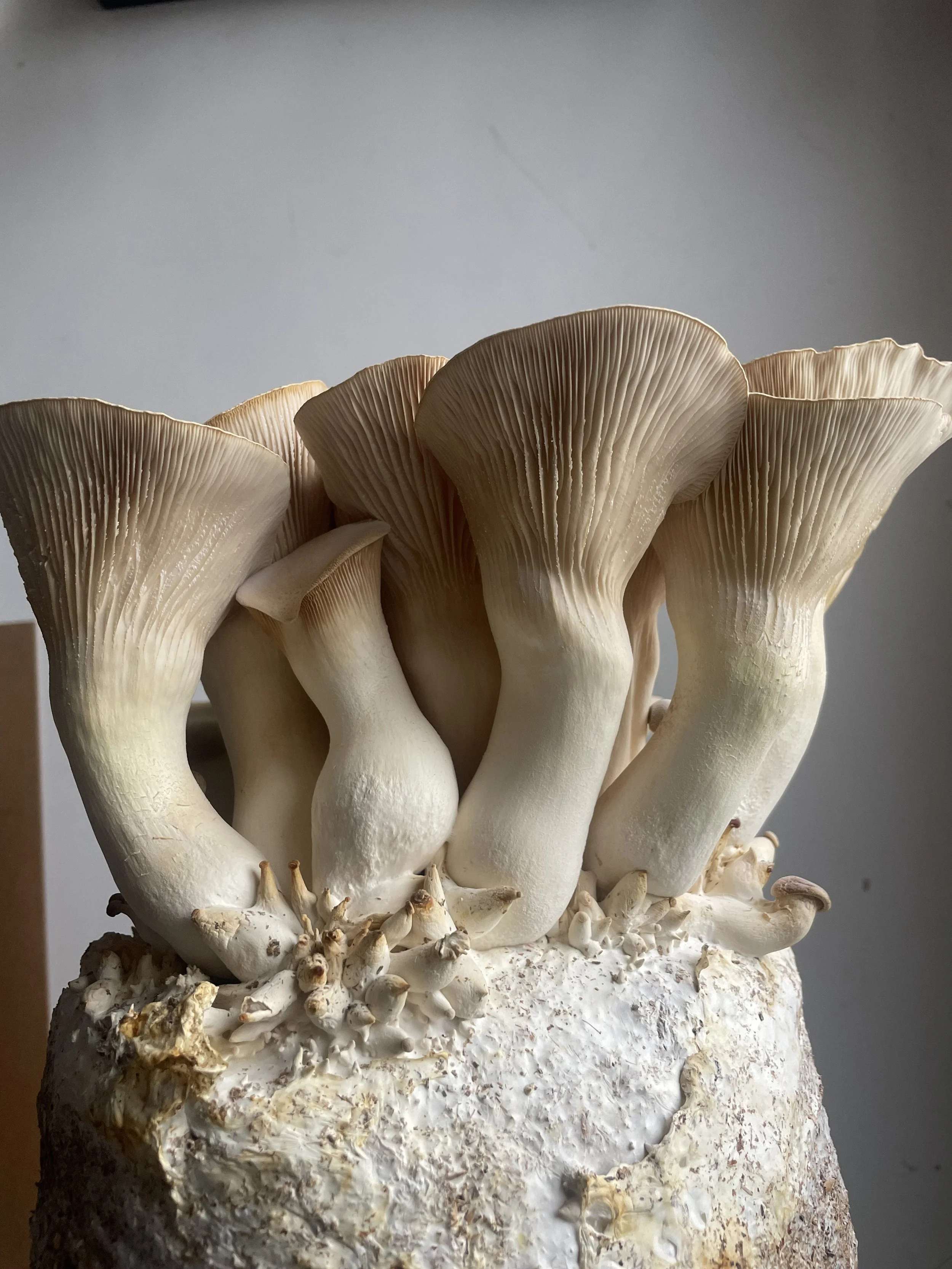
Indoors all year round: Mushroom grow kits are a great way to get up close and personal with the life cycle of a mushroom at any time of the year. You can witness a basic substrate, like coffee grounds, transform into a block teeming with white mycelium. From there, mushrooms begin to fruit within just a few weeks, doubling in size every 12-24 hours as they grow. Like any homegrown produce, these mushrooms are fresh with exceptional texture and flavour.
Including mushrooms in garden planning isn’t just novel - it’s a wonderful act of sustainability. Mycelium breaks down pollutants, captures carbon and transforms waste into fertile soil. They are the ultimate recyclers, quietly closing loops and restoring balance - values that resonate deeply with us all. They represent resilience, transformation and quiet strength - thriving in the shade and rebuilding from decay.
In a time when sustainability is a defining concern, mushrooms offer achievable solutions, and we want to bring mushrooms out of the shadows and into our gardens, conversations and displays.
In 2026, we’re back at the RHS Chelsea Flower Show with our exhibit ‘Beyond the Button’ showcasing just how exciting mushrooms can be - both in your garden, kitchen, and any outdoor growing space.
It will be a true celebration of the diversity, flavour and functional benefits that mushrooms bring to life. You can read more about it on our blog ‘Beyond the Button: Exploring mushrooms like never before’.
Want to know where to start? Get in touch or order our book "‘Project Mushroom’ and see what inspires you.





Latest from the blog