Slow food and the joy of growing your own…
…five years on.
We first wrote about the Slow Food movement almost five years ago.
At the time, Caley Brothers was still in its early days. We were experimenting, learning, and simply enjoying the process of growing mushrooms ourselves. Looking back now, it feels like a good moment to pause and reflect on how far things have come - and how much of our original thinking still anchors what we do today.
Because the truth is, we didn’t start growing mushrooms with a business plan in mind.
We started growing because we wanted access to good food.
Simple as that.
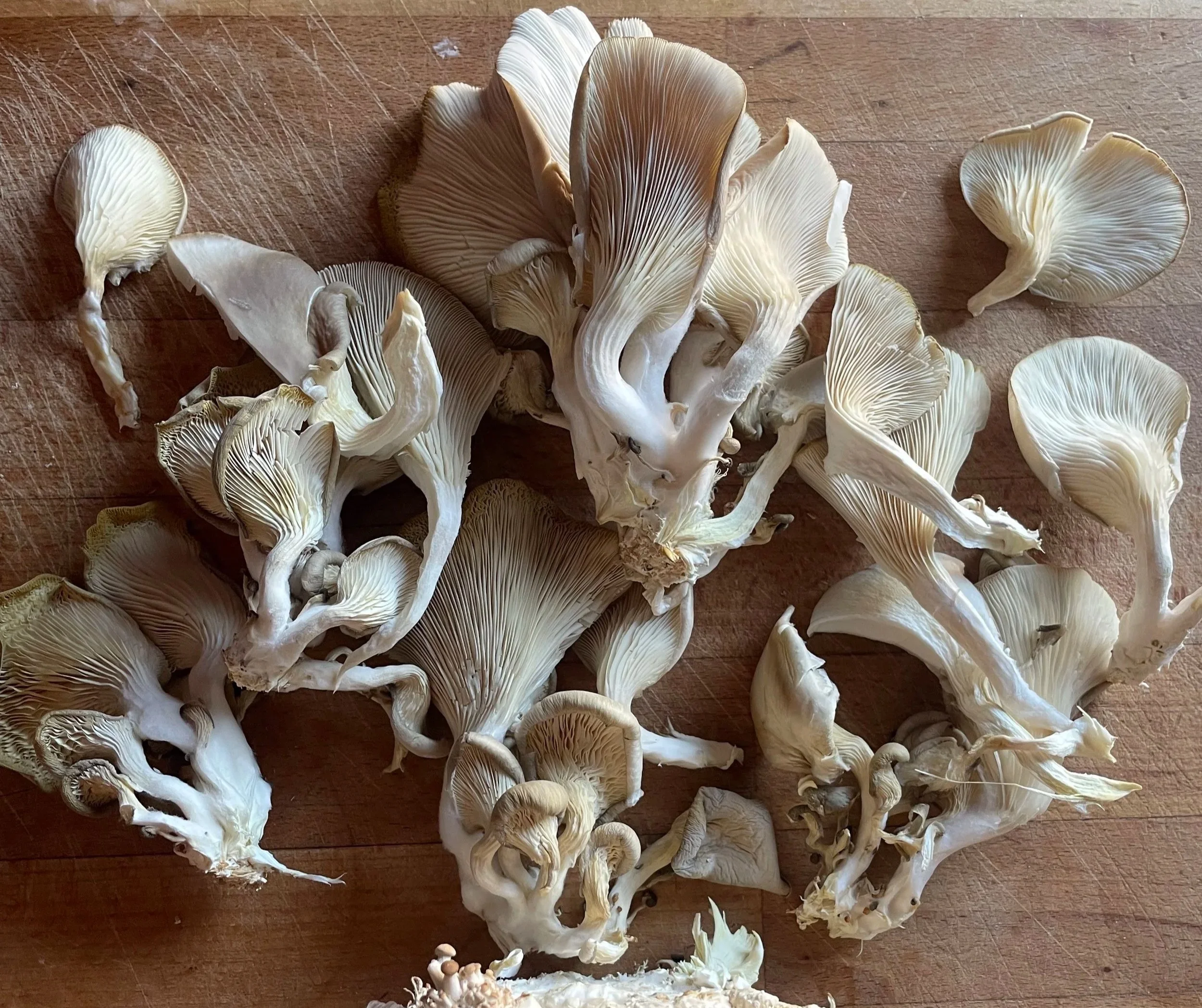
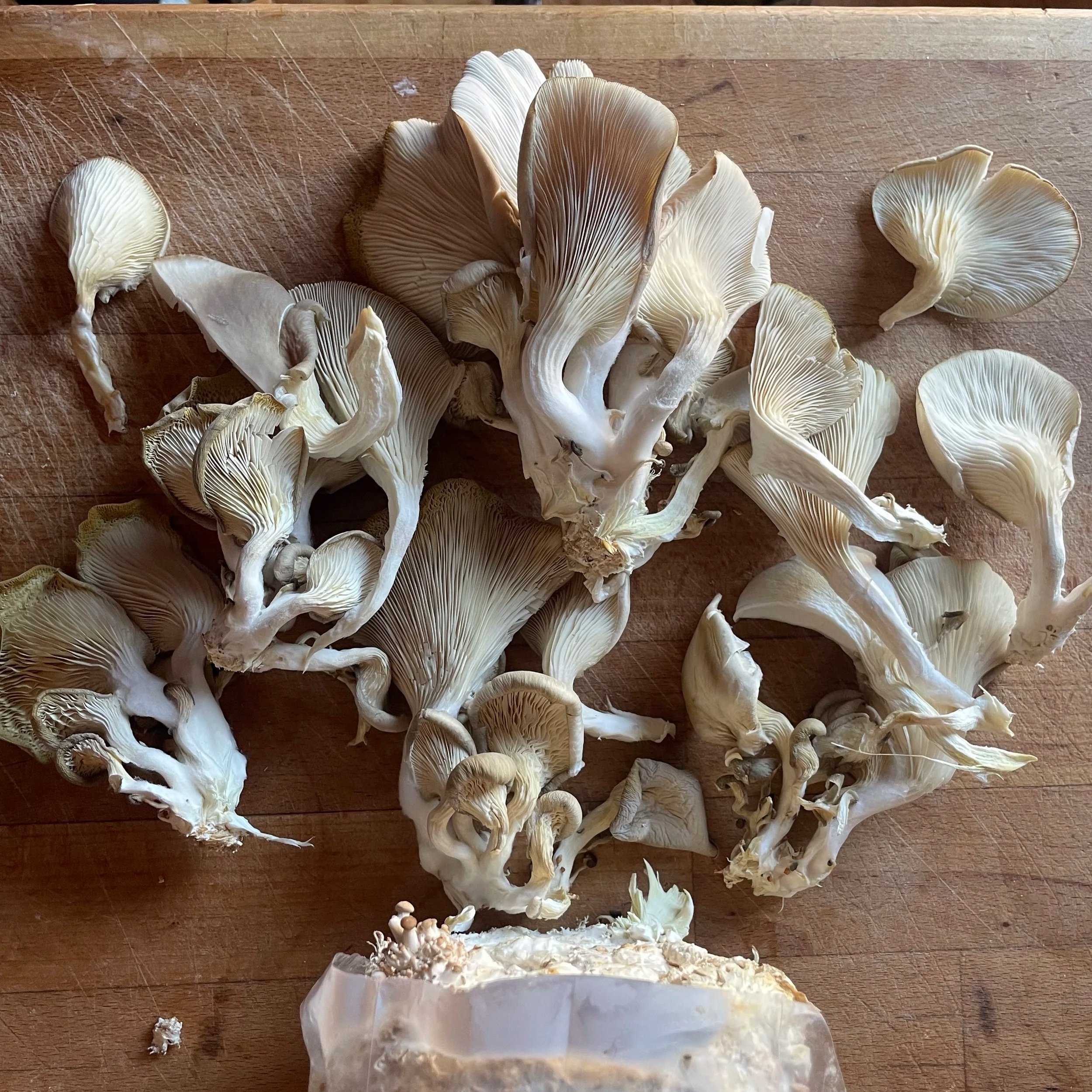
Freshly harvested Oyster Mushrooms
There were varieties of mushrooms we loved but couldn’t easily find — fresh, local, interesting mushrooms that weren’t the standard supermarket offering. So we began growing them ourselves. What started as curiosity soon became something deeper: a way of reconnecting with food and understanding more about where it comes from.
Without really realising it at the time, we had stepped into the philosophy behind the global Slow Food movement.
Simply put, Slow Food is about making conscious decisions about the food we buy, grow, cook and eat. On a larger scale, it has become a worldwide movement of people working to reverse many of the damaging effects that fast food culture has had on our health, our communities and our planet - one meal at a time.
Founded in 1989, the movement set out with three simple goals:
To prevent the disappearance of local food cultures and traditions
To challenge the environmental and social impact of fast food culture
To rekindle our interest in the food we eat
At its heart, Slow Food is really about paying attention.
It’s about choosing ingredients thoughtfully. Buying from producers who respect their land and their craft. Taking the time to prepare a meal rather than rushing through it. And perhaps most importantly, appreciating the journey food has taken to reach our plate.
Fast food culture has changed many of our expectations. We’ve become used to convenience, to having the same ingredients available all year round, regardless of seasons or geography. Food has become something quick and transactional rather than something we grow, prepare and share.
Slow Food gently challenges that mindset.
It asks us to slow down. To cook a meal from scratch. To enjoy the process. To savour the food in front of us and appreciate the people and environments that made it possible.
And interestingly, when we do this, something else happens.
Cooking and eating well brings a sense of satisfaction that goes beyond simple pleasure. There’s real happiness in preparing a meal with care, sharing it with others, and feeling connected to nature through the ingredients we use.
Growing even a small part of your own food can deepen that connection.
Which is one of the reasons we love mushrooms so much.
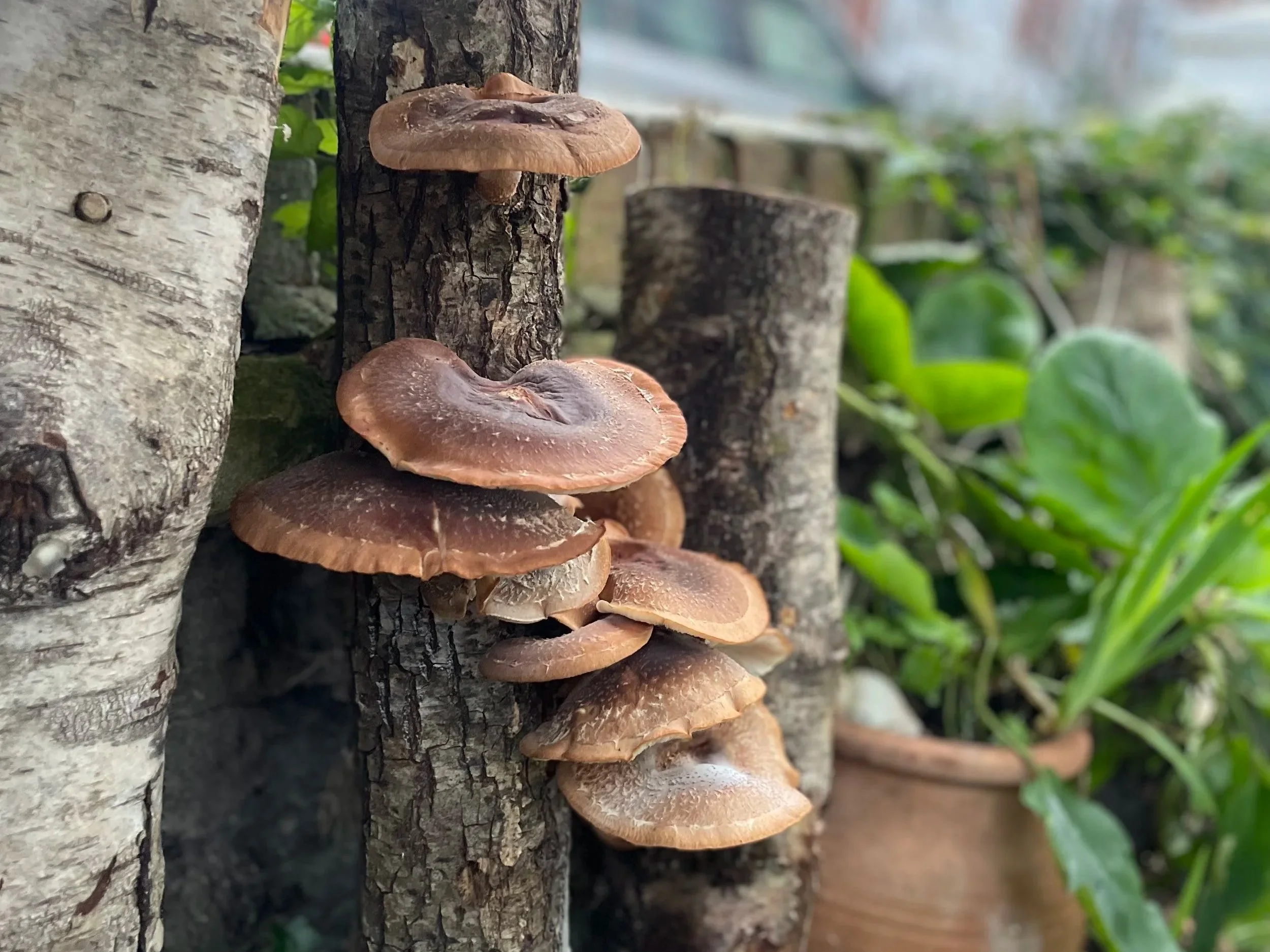
They don’t require acres of land or years of patience. In just a short space of time you can witness the quiet magic of mycelium at work - watching mushrooms appear, develop and become something you can harvest and cook yourself within a matter of weeks
It’s a small act, but a meaningful one.
And as Anne-Marie Bonneau famously said:
“We don’t need a handful of people doing zero waste perfectly. We need millions of people doing it imperfectly.”
Slow Food isn’t about perfection. It’s about intention.
Small changes in how we think about food - choosing good ingredients, supporting responsible producers, growing something ourselves - can collectively make a big difference.
Five years on, that philosophy still sits at the heart of what we do.
Whether it’s growing new varieties of mushrooms, sharing what we’ve learned, or helping others grow their own, we’re still guided by that same simple idea that started it all:
Good food is worth taking the time for.
And sometimes the most satisfying meal is the one you’ve grown yourself.
BBC Radio 4 series – “As global warming threatens the future of our society, Jo Fidgen tackles the ways in which ordinary people can make a difference” www.bbc.co.uk/sounds/play/m0001v7f
“Pleasure is short lived, happiness is long lived; pleasure is visceral, happiness is ethereal; pleasure is taking, happiness is giving; pleasure can be achieved with substances, happiness cannot be achieved with substances; and, finally, pleasure is experienced alone, happiness is usually experienced in social groups.” www.wellandgood.com/difference-between-pleasure-happiness/
“Slow Food believes food is tied to many other aspects of life, including culture, politics, agriculture and the environment. Through our food choices we can collectively influence how food is cultivated, produced and distributed, and change the world as a result.“ www.slowfood.org.uk
“Slow Food is an idea, a way of living and a way of eating. It is a global, grassroots movement with hundreds of thousands of members across the world who all have pledged to link the pleasure of food with a commitment to community and the environment.” @slowfoodlondon
#thechangestartsonyourplate
Latest from the blog